Is that evidence-based?
We hear the term "evidence based" all the time in the birth world, and for good reason. We love research. We read studies. We think having good evidence is one of the best tools we have when we're making decisions about pregnancy and birth. It improves the standard of care (albeit slowly) within the medical system. And it's why we recommend the Evidence Based Birth resource to almost all of our clients.
But we also think there's a really important piece of the conversation that gets left out.
Evidence has to exist in order to be "evidence based."
We’ve been successfully giving birth for much longer than the industrial medical complex has been involved in birth. There are so many things that women have been doing for generations to support pregnancy, birth, and postpartum that have very little research behind them. Herbs. Nourishing foods. Traditional midwifery practices. Bodywork. Homeopathy. Community support. The list goes on…
These things aren't evidence based not because they don’t work, but because we don't actually study them.
Research is expensive, and funding follows money. Pharmaceutical companies study pharmaceuticals. Medical device companies study medical devices. Interventions get studied. There is a lot that goes into deciding what gets funded, what gets researched, and what eventually becomes the standard for "evidence based" care. Even then, getting research widely published, peer reviewed, and implemented into practice is a complicated and nuanced process.
We think evidence is great, AND we also believe common sense deserves a seat at the table.
If generations of women across cultures have passed down wisdom and techniques that appear to be helpful, maybe that's worth paying attention to. Even if there isn't a double blind study or systematic review on PubMed yet.
And then there's intuition. Science can't quantify it, so our culture largely dismisses intuition as a legitimate way of knowing. (Spoiler alert - your intuition is absolutely valid data).
We're not suggesting that intuition replaces evidence, and we're definitely not suggesting that evidence doesn't matter.
We're suggesting that maybe the best decisions happen when we bring all of those things together: research, clinical experience, common sense, our own values, our lived experience, and our intuition.
That's actually a huge part of what we teach inside Birth Alchemy.
Not just how to read a study or understand your options, but how to gather information without outsourcing your authority. How to ask thoughtful questions. How to understand the evidence while still remembering that you're the one living in your body and giving birth to your baby.
Because research is just one of many tools you have to utilize in this journey to parenthood. And you are the ultimate authority and decision maker.
Always in your corner,
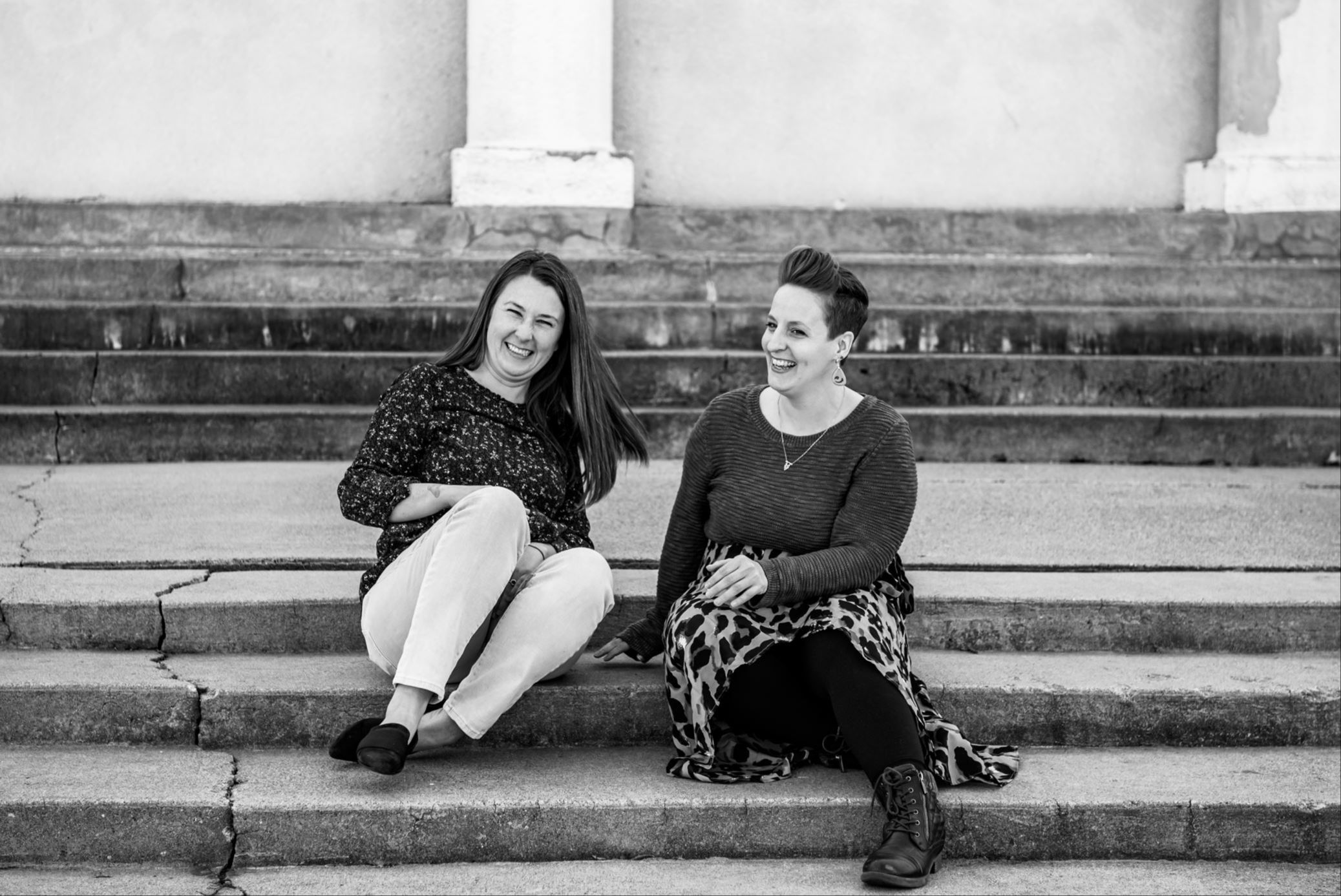
Kayla & Leslie
PS - our next Birth Alchemy cohort will start mid-September. It's an 8-week deep dive childbirth education course, that honors both science and spirit.
We also have our self-paced version available year-round. We'd love to see you inside!
Learn more about the Birth Alchemy Course
Responses